This document outlines a compelling business case for investing in a synthetic ice rink. Traditional ice rinks face significant operational challenges, including prohibitively high energy costs, water consumption, and limited scheduling availability. Synthetic ice technology presents a revolutionary alternative that eliminates freezing costs, enables 24/7/365 operation, and opens new revenue streams.
This proposal details a model that reduces operational expenditure (OPEX) by over 80%, provides a faster return on investment (ROI) than traditional rinks, and serves a broader demographic. By overcoming the barriers of cost and seasonality, a synthetic ice rink is not just a recreational facility; it is a sustainable, profitable, and community-focused venture with a strong potential for long-term success.
Introduction & Problem Statement
The demand for ice-based sports and recreation is strong, encompassing hockey, figure skating, and public skating. However, access is constrained by the limitations of traditional ice rinks:
-
High Operational Costs: Refrigeration plants are one of the largest energy consumers in municipal or commercial facilities, with monthly electricity costs often exceeding tens of thousands of dollars.
-
Seasonal Limitations: Many rinks are seasonal or face melt-down periods, eliminating revenue for significant portions of the year.
-
Environmental Impact: Traditional rinks have a substantial carbon footprint due to energy use and consume millions of gallons of water annually.
-
Scheduling Scarcity: High demand for prime-time ice slots creates bottlenecks, limiting access for beginners, training programs, and new user groups.
-
Barriers to Entry: The capital and operational costs to build and maintain a traditional rink are prohibitively high for many communities and private businesses.
Proposed Solution: Synthetic Ice Rink
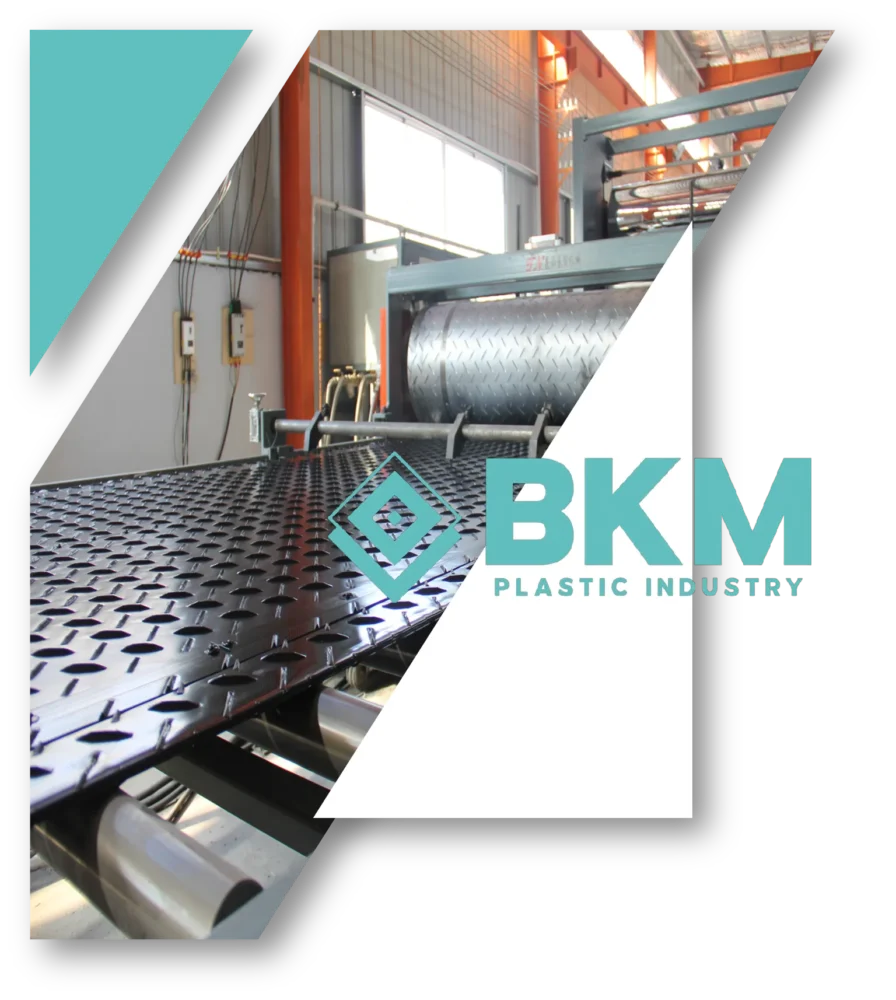
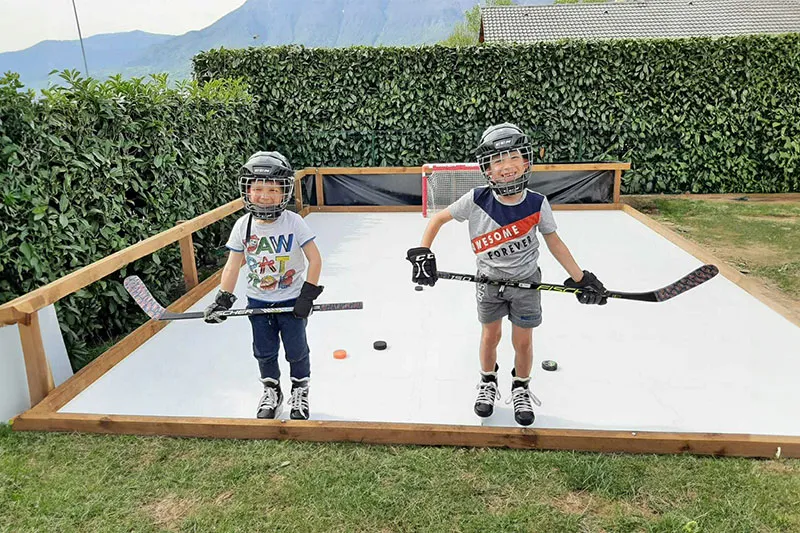
We propose the installation of a commercial-grade synthetic ice rink. This system uses interlocking panels made from a high-density, polymer material that allows standard ice skates to glide with minimal resistance.
Key Differentiators from Traditional Ice:
-
No Refrigeration Required: The primary operational cost is eliminated.
-
Waterless Operation: No water is used for the ice surface.
-
Year-Round, 24/7 Usability: The rink can operate continuously without melt cycles.
-
Location Flexibility: Can be installed indoors or outdoors, on any level surface (concrete, asphalt, even indoors on upper floors).
-
Durability: High-quality sheets withstand thousands of hours of use and require minimal maintenance.
Financial Analysis
Revenue Streams
A synthetic ice rink can generate more diverse and consistent revenue than a traditional facility:
-
Public Skating Sessions: Extended hours and year-round operation increase ticket sales.
-
Rentals: Leasing time to hockey leagues, figure skating clubs, and skills coaches.
-
Instructional Programs: Learn-to-Skate, Learn-to-Play-Hockey, and power skating classes.
-
Birthday Parties & Private Events: A unique and highly desirable venue for private bookings.
-
Pro Shop & Concessions: Sales of skate rentals, snacks, and merchandise.
-
Corporate & Marketing Events: Hosting unique brand activations and team-building events.
Cost Comparison & ROI
| Cost Factor | Traditional Ice Rink | Synthetic Ice Rink | Notes |
|---|---|---|---|
| Initial Investment | High ($2M – $4M+) | Moderate ($150K – $500K) | Synthetic cost varies by size and location prep. |
| Monthly Energy (Freezing) | $10,000 – $25,000 | $0 | The most significant saving. |
| Water & Sewer | Significant | $0 | No resurfacing water. |
| Zamboni & Maintenance | High (fuel, parts, operator) | Low (periodic buffing with conditioner) | Synthetic maintenance is simple and infrequent. |
| ROI Period | 7-15+ years | 2-5 years | Faster ROI due to low OPEX and high utilization. |
*Assumptions: Based on a mid-sized rink (~1850 sq. meters / 20,000 sq. ft). Figures are estimates.*
Conclusion: The dramatic reduction in operational overhead allows a synthetic rink to achieve profitability much faster. Revenue that would be consumed by energy bills in a traditional rink becomes net profit.
Market Analysis & Target Audience
The target market expands beyond traditional ice users due to accessibility and novelty:
-
Core Users: Hockey teams, figure skaters, ringette players.
-
New & Casual Users: Families, casual skaters, and beginners who are intimidated by the cold and cost of traditional rinks.
-
Niche Markets: Professional and amateur athletes for off-ice training and strength conditioning.
-
Commercial Clients: Event planners, corporations for marketing activations, and restaurants/hotels for unique amenities.
-
Schools & Community Groups: An accessible option for PE classes and youth programs without the need for expensive field trips.
Strategic Benefits
-
Sustainability & ESG Alignment: A “green” facility with near-zero operational carbon emissions and no water waste. This is a powerful public relations and marketing asset.
-
Community Access & Inclusivity: Lower operating costs can translate to more affordable program pricing, making skating sports accessible to a wider socioeconomic range.
-
Economic Development: Attracts tournaments, classes, and events, driving foot traffic to surrounding businesses.
-
De-Risked Operation: Not vulnerable to power outages that can shut down a traditional rink, ensuring consistent service and revenue.
Risks & Mitigation
-
Perception of Inferior Quality: Early synthetic ice had poor glide. Mitigation: Use of premium, self-lubricating sheets that offer ~90% of real ice glide. Offer demo sessions to overcome skepticism.
-
Blade Wear: Some increased blade sharpening frequency is required. Mitigation: Educate users; this is a minor cost offset by massive energy savings. Partner with a local pro shop for sharpening services.
-
Initial Capital Outlay: While lower than a traditional rink, the investment is still significant. Mitigation: Develop a phased implementation plan. Explore grant funding for community sports or green initiatives.
Implementation Plan
-
Phase 1 (Months 1-2): Site selection and preparation (ensuring a level base).
-
Phase 2 (Month 3): Procurement and installation of synthetic ice panels and necessary amenities (boards, lighting, rental desk).
-
Phase 3 (Month 4): Staff hiring and training. Marketing and promotional campaign launch.
-
Phase 4 (Month 5): Grand opening and commencement of operations.
Conclusion
The synthetic ice rink is a modern, financially sound, and sustainable answer to the growing demand for ice sports and unique recreational experiences. It transforms a traditionally high-cost, high-maintenance facility into a profitable, versatile, and community-centric operation. By eliminating the largest cost centers and enabling year-round use, this investment promises a strong financial return while providing significant social and strategic value.