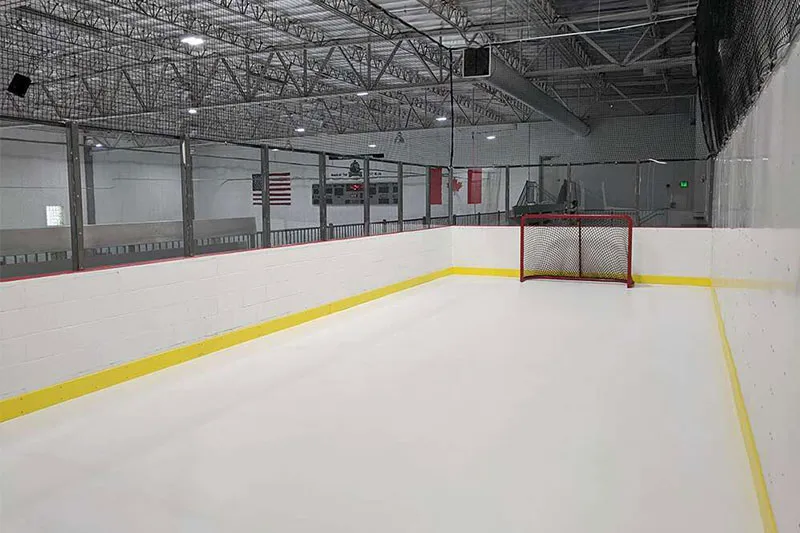
The traditional ice rink is an engineering marvel, but it comes with a colossal operational burden. The energy consumption of massive refrigeration plants, the constant need for resurfacing, and the high water usage create a significant barrier to entry and sustainability. For pro shops, restaurants, and community centers, the dream of offering an ice experience has always been just out of reach—until now.
Commercial-grade synthetic ice is a paradigm shift. It’s not just a substitute for real ice; it’s a superior solution for countless applications. By eliminating the need for freezing, this technology is allowing businesses and organizations to create vibrant, profitable, and accessible ice sports venues in places previously thought impossible. Let’s dive into the transformative power of commercial synthetic ice installations.
The Unbeatable Business Case: Lowering OPEX and Increasing ROI
For any facility manager or business owner, the bottom line is paramount. A traditional ice rink’s operational expenses (OPEX) are staggering. We’re talking about tens of thousands of dollars monthly in electricity alone for the chiller system. Add in the cost of water, Zamboni maintenance, specialized staff, and HVAC to manage the ambient temperature, and the profit margin on ice time becomes razor-thin.
Synthetic ice flips this model on its head.
-
Zero Energy for Freezing: The most significant saving. The lights are your only major energy cost.
-
Minimal Maintenance: No daily resurfacing. A simple buffing with a specialized conditioner every few hours of use keeps the surface slick and protected.
-
Waterless Operation: In an era of increasing water scarcity, a synthetic rink uses not a single drop for its surface.
-
24/7 Usability: Without melt cycles, your rink can be used from open to close, maximizing revenue-generating hours.
This dramatic reduction in overhead means a faster return on investment and the ability to offer more competitive pricing for rentals, classes, and public sessions.
Expanding Your Market and Creating New Revenue Streams
Synthetic ice unlocks new customer bases and experiences that are impractical on real ice.
-
The “Try-Before-You-Buy” Pro Shop: Integrate a small synthetic ice pad into your retail space. Customers can test skates before purchasing, ensuring a perfect fit and performance. Host stickhandling clinics or shooting workshops right in the store, driving foot traffic and establishing your brand as a true hockey hub.
-
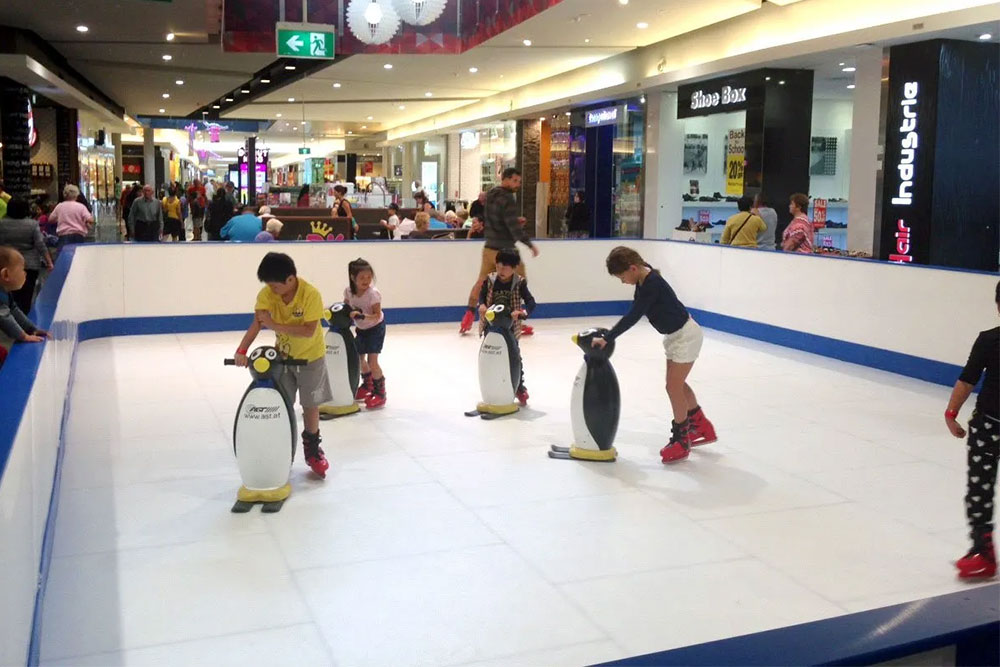
The Restaurant and Entertainment Venue: Imagine a rooftop bar with a synthetic ice skating loop, or a family entertainment center featuring a year-round “Winter Wonderland.” These unique attractions drive customers, increase dwell time, and create an unforgettable experience that guarantees social media buzz and repeat business.
-
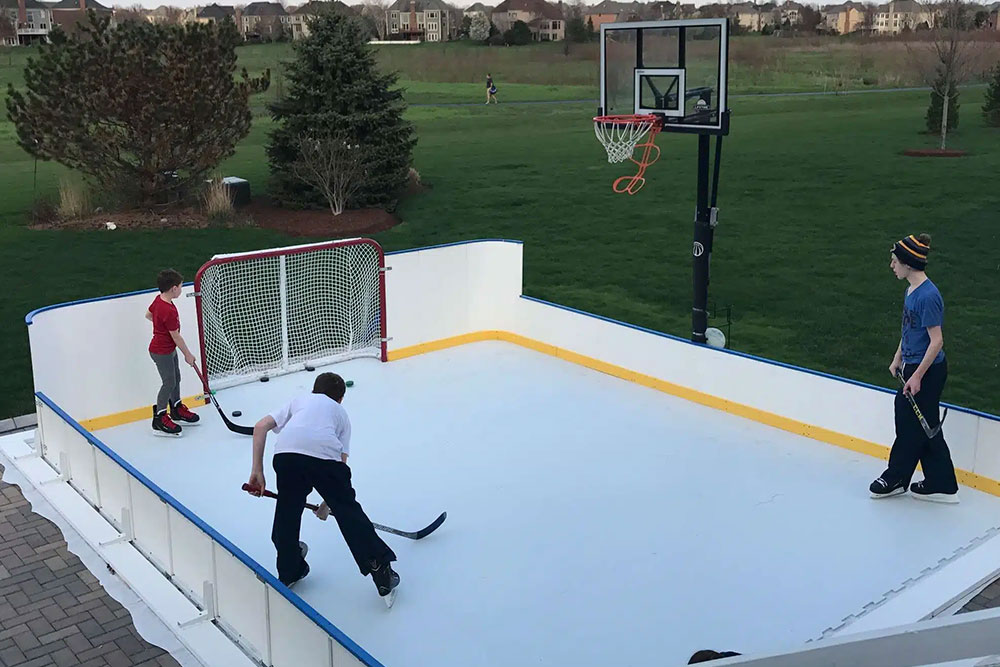
The Community Center and School Gym: Bring the benefits of skating to communities without a multi-million-dollar rink. Physical education classes can include skating units. After-school programs can introduce kids to hockey and figure skating. It promotes physical activity and provides access to a sport that was once geographically and financially out of reach for many.
Applications for Professional and High-Performance Training
The advantages of synthetic ice aren’t limited to recreational use. Professional hockey teams and elite figure skating coaches are increasingly incorporating it into their training regimens.
-
Off-Ice Training Facilities: Teams can build dedicated training rooms with synthetic ice, allowing for focused skill work without booking precious main-ice time. Players can rehab from injuries in a controlled environment and work on specific technical adjustments with their coaches.
-
Figure Skating Choreography and Dance: The ability to stop and start without waiting for a Zamboni is a huge benefit for choreographers. Figure skaters can mark through their routines, work on spins and footwork sequences, and perfect their artistry for hours on end.
-
Strengthening Benefits: As mentioned, the slight resistance of synthetic ice provides a strength-building component. Many trainers see it as “weighted skating,” building powerful glutes, quads, and core muscles that translate directly to improved performance on real ice.
Installation and Longevity: Built to Last
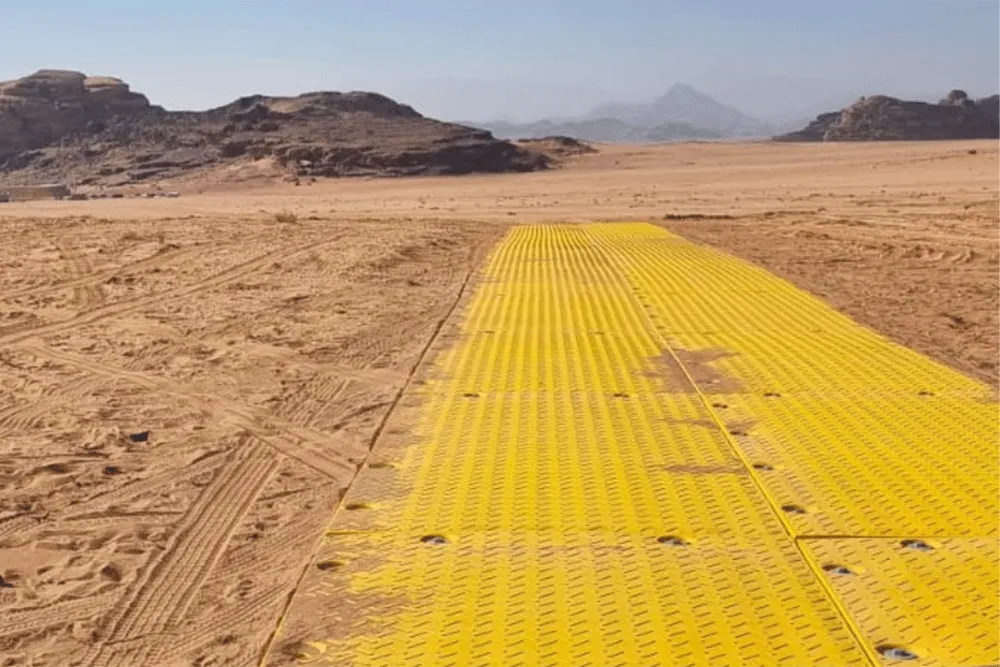
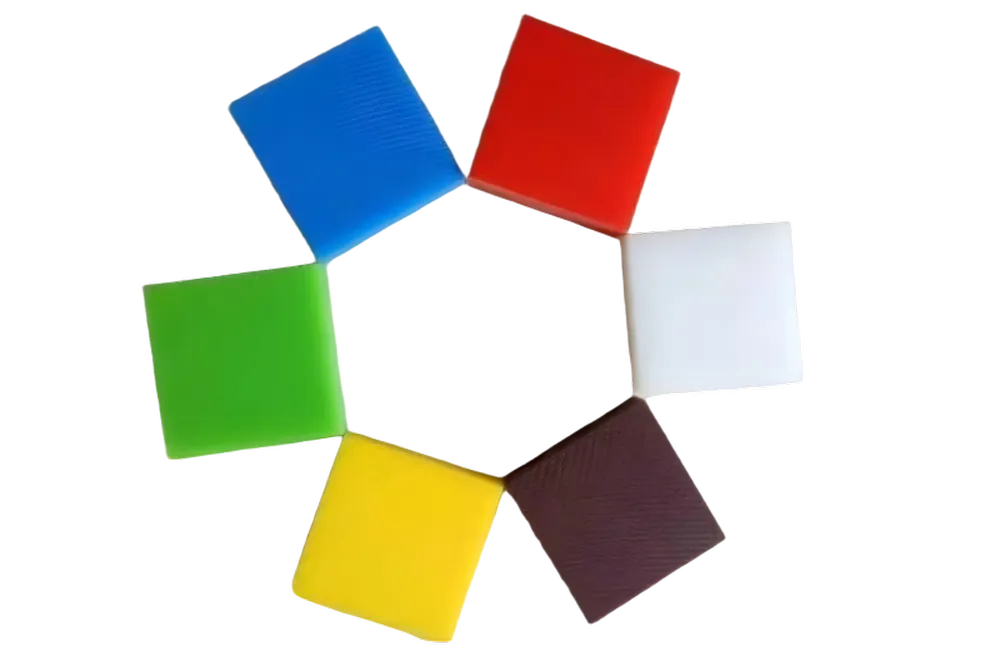
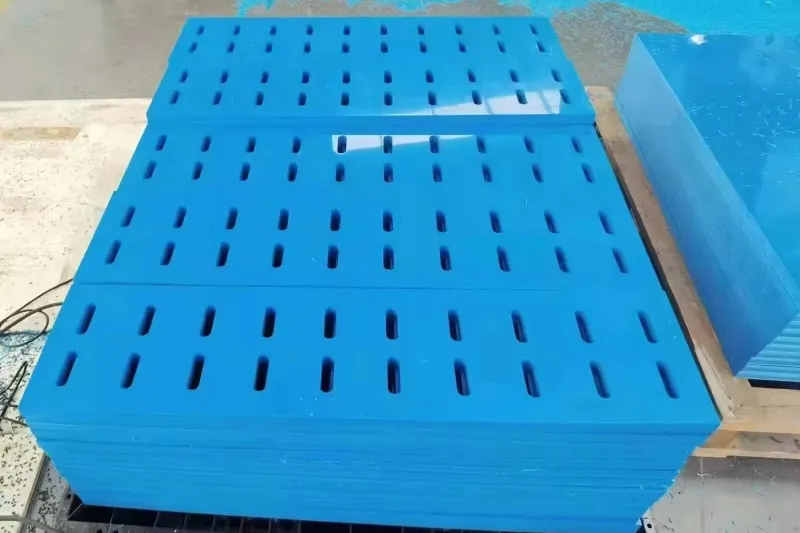
Commercial installations demand a higher standard of durability and performance. Our commercial-grade panels are manufactured with a high-density polymer core and a proprietary self-lubricating top layer that withstands thousands of hours of skate blades. The interlocking system is reinforced for heavy traffic, and the panels can be installed over virtually any flat, solid substrate.
Maintenance is straightforward for a janitorial team. Regular sweeping and dry mopping remove debris. A periodic deep clean and application of our premium ice conditioner rejuvenate the surface, ensuring a consistent glide and protecting the investment for years to come.
Sustainability: The Green Choice for the Future of Skating
In today’s world, environmental responsibility is a core value. A synthetic ice rink is a profoundly green choice. By eliminating the massive electricity draw of a chiller plant and conserving water, your facility significantly reduces its carbon footprint. This is a powerful marketing point that resonates with environmentally conscious consumers and communities.
Conclusion: Don’t Just Maintain the Status Quo—Innovate
The world of recreational sports is evolving. Consumers are seeking unique, accessible, and sustainable experiences. Commercial synthetic ice is not a compromise; it’s an innovation. It allows you to break free from the limitations and costs of traditional ice, open up new markets, and build a more resilient and profitable business model. It’s time to stop seeing ice as a seasonal, difficult product and start seeing it as a year-round, profitable opportunity.aa